Retro Hocus Pocus Halloween Svg
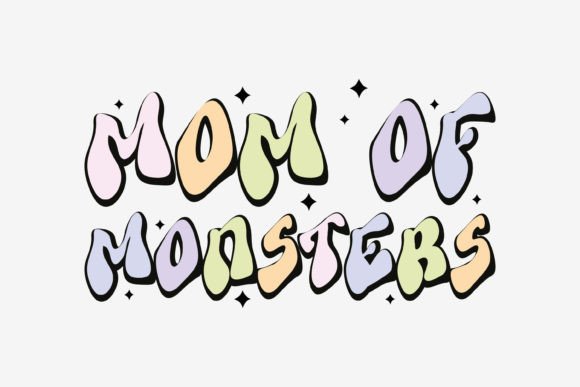
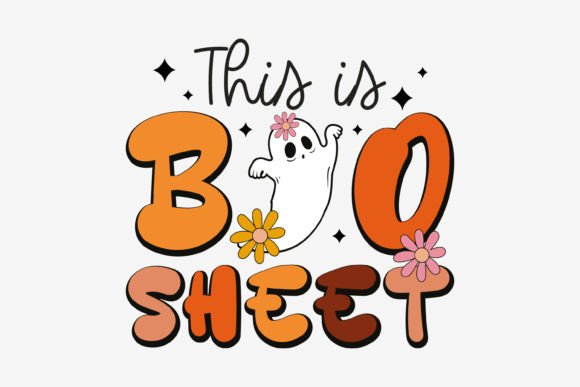
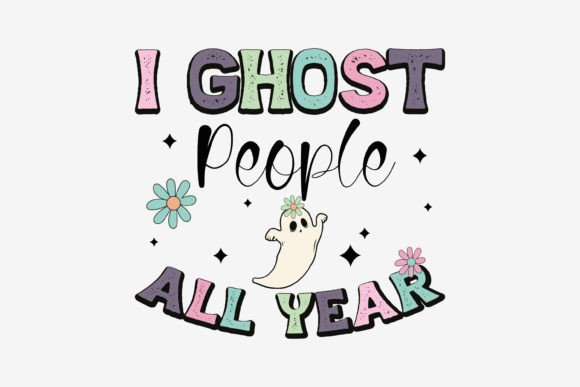
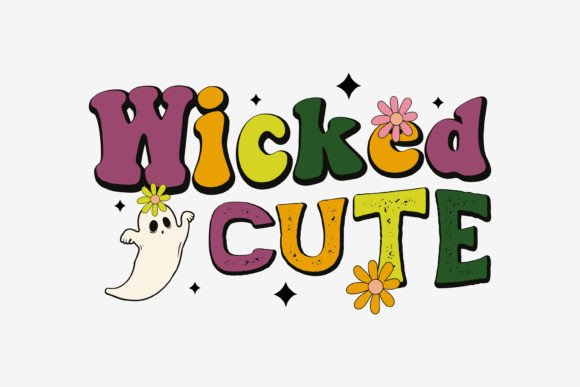
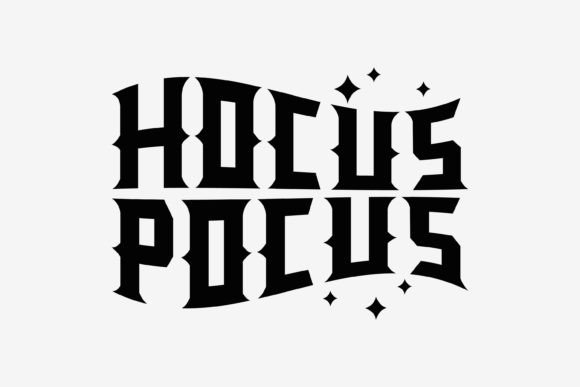
When I first opened Retro Hocus Pocus, Halloween Svg, I was immediately struck by its mood. This design leans into a nostalgic, slightly playful Halloween vibe that feels more vintage than spooky. The layout is clean and centered, with a visual personality that suits both modern and rustic projects. As an embroidery designer, I look for graphics that translate well into thread, and this one has a lot of promise for real project use.
First Impressions of a Retro Halloween Design
The overall shape is balanced and not overly complex. The retro theme gives it a timeless feel—something that could appeal to customers looking for a Halloween design that isn't cartoonish or overly scary. The detail level is moderate, which is a good sign for embroidery. Too much fine detail can get lost in stitches, but this design keeps things clear and readable. The visual personality feels warm and approachable, making it a natural fit for custom apparel, handmade gifts, and small shop merchandise.
I immediately thought of using Retro Hocus Pocus, Halloween Svg on a custom embroidered tote bag for a fall market. A tote bag is a popular item for craft businesses and Etsy sellers because it offers a large, flat surface that shows off a design well. The retro look would appeal to customers who appreciate vintage aesthetics, and the Halloween theme gives it seasonal relevance. I could see this design working equally well on a sweatshirt, a pillow cover, or even a set of kitchen towels for a festive touch.
Testing the Design on a Custom Tote Bag
I recently prepared a tote bag project using Retro Hocus Pocus, Halloween Svg as the inspiration for an embroidered patch. While the file itself is a vector graphic for print, I evaluated how it would behave once digitized into an embroidery file. The clean lines and moderate detail suggest that this design would hold up well in satin stitch and fill stitch applications. The lettering and shapes are distinct enough to maintain clarity even when reduced to a smaller hoop size.
For a tote bag, I would recommend using a medium hoop size—around 4x4 or 5x7 inches—to keep the design readable while leaving room for layout considerations. The retro elements, like the typography and any decorative accents, should be tested on scrap fabric first to confirm that thread colors and stitch density work together. I found that the design’s color changeability, as noted in the product description, is a real advantage for matching fabric tones. Whether you are working with a light cotton tote or a dark canvas, you can adjust the palette to maintain strong contrast.
How This Design Performs Across Different Embroidery Projects
Retro Hocus Pocus, Halloween Svg is versatile enough to work on a range of products. Here are some of the real-life embroidery situations where I see it fitting well:
- Custom apparel: Sweatshirts, t-shirts, and baby onesies benefit from the retro theme. The design’s moderate complexity keeps stitching time reasonable, which is important for small business owners who need to produce multiple items efficiently.
- Embroidered patches: The clean shapes make this design a good candidate for patch projects. A patch can be added to hats, jackets, or bags, giving the buyer a versatile product.
- Home decor: Pillow covers, tea towels, and blankets are great for seasonal selling. The retro Halloween mood adds charm without overwhelming a room’s decor.
- Holiday gifts: Personalized gifts like embroidered aprons or baby bibs become more memorable with a unique design. This graphic feels giftable because it has personality but isn’t tied to a single year’s trend.
- Printable mockups and digital products: Since the file is an SVG or EPS with 300dpi, it can also be used for printable mockups, heat transfer designs, or digital product previews. This is useful for Etsy sellers who want to show customers how a finished item might look.
For each of these projects, I recommend verifying the stitch count and file format before committing. The product description mentions one EPS and one SVG file at 300dpi, which is excellent for print, but if you are digitizing for embroidery, you will need to confirm that your digitizing software can handle the vectors cleanly. Always test the design on fabric similar to your final product.
Where to Use This Design with Extra Care
No design works everywhere, and Retro Hocus Pocus, Halloween Svg has a few areas where careful planning is needed. I have learned from experience that some projects require more attention to detail:
- Small hoop sizes: If you plan to use a small hoop, such as 2x2 inches, the design’s details may become too compressed. Test the design at your intended size before stitching final products.
- Textured fabrics: Fabrics like fleece, thick knit, or burlap can distort fine lines. A stabilizer with good hold is essential to keep the retro shapes crisp.
- Stretchy fabrics: T-shirts and other knits require a cutaway stabilizer and careful hooping. The design’s moderate density should not cause puckering if you use proper techniques.
- Dark fabrics: The design is 100% color changeable, which helps with contrast. But I still recommend testing thread colors against your fabric to ensure the retro mood is preserved. A dark background might call for lighter thread tones or a subtle outline.
- Curved surfaces like caps: If you are embroidering a cap, the design’s shape may need to be adjusted slightly to fit the curve. Keep the layout compact to avoid distortion.
- Frequent washing: Products like kitchen towels or baby items that are washed often can benefit from a design with moderate stitch density. Dense stitching can cause pull or shrinkage over time, so check the digitized file for balanced coverage.
In each of these cases, the key is to treat the graphic as a starting point. The vector file gives you flexibility, but the final embroidery file should be reviewed for stitch type, density, and thread path. I always tell other designers: do a test stitch on scrap fabric before working on your final product.
Visual Appeal and What It Means for Your Product Line
Customers respond to designs that feel authentic and well-executed. Retro Hocus Pocus, Halloween Svg brings a vintage charm that stands out among typical Halloween graphics. When stitched correctly, it creates a professional look that builds trust with buyers. For small shop owners and Etsy sellers, this design can be the centerpiece of a seasonal collection or a one-of-a-kind gift.
The visual appeal also affects how customers perceive your brand. A design that is clear, balanced, and thoughtfully colored signals quality. If you are selling finished products, the embroidered version of this graphic can elevate a simple sweatshirt or tote bag into a boutique item. The retro mood gives it a storytelling quality—people are drawn to items that feel like they have history or personality.
From a commercial embroidery perspective, this design is practical. It does not rely on excessive detail that might cause thread breaks or require frequent machine stops. That means you can produce more items in less time, which directly impacts your profit margin. For craft businesses, efficiency without sacrificing quality is a win.
Practical Notes for Embroidery Designers and Small Shop Owners
Before you start using Retro Hocus Pocus, Halloween Svg in your embroidery projects, here are some practical steps I have found useful:
- Test the design on scrap fabric first. This is non-negotiable. Even a well-designed graphic can behave differently when stitched. Use the same fabric type you plan to use for your final product.
- Check thread color contrast. The design is 100% color changeable, which is a big advantage. Test a few color combinations to see what makes the retro theme pop. I often create black and white mockups to evaluate contrast before selecting thread.
- Review stitch density in your digitizing software. If you are converting the SVG to an embroidery file, check that the density is appropriate for your fabric. Too dense can cause stiffness; too light can look unfinished.
- Confirm hoop size. The design should fit comfortably within your hoop without crowding the edges. Leave at least half an inch of margin for hooping stability.
- Inspect small details. Look at the design at actual stitch size. If any elements appear too small to register clearly, consider simplifying them or enlarging the design.
- Compare light and dark fabric backgrounds. The same design can look very different on a white tee versus a black hoodie. Adjust your thread palette accordingly.
- Use proper stabilizer. For most apparel, a cutaway stabilizer works well. For dense designs or stretchy fabrics, consider a double layer or a specialty stabilizer.
- Verify licensing before selling. The product description does not specify license terms, so I always recommend checking whether the graphic can be used for commercial projects. If you plan to sell finished items or digital products, confirm that your use is allowed. This protects your business and builds trust with customers.
These steps might seem basic, but I have seen many small shop owners skip them and end up with disappointing results. A little preparation goes a long way in producing a polished, professional product.
Final Thoughts on This Retro Halloween Graphic
Retro Hocus Pocus, Halloween Svg has a genuine place in the world of Crafts and Graphics. It is a design that respects its vintage inspiration while staying practical for modern embroidery projects. Whether you are creating a custom embroidered sweatshirt for a holiday gift, a tote bag for a fall market, or a set of embroidered patches for your Etsy shop, this graphic provides a strong foundation.
What I appreciate most is that it does not rely on gimmicks. The retro mood is consistent, the layout is clean, and the color changeability gives you creative freedom. For experienced designers, it is a reliable asset. For new crafters, it is an approachable design that can grow with your skills. As always, test, adjust, and stitch with confidence.