Mom of Monsters, Retro Halloween Svg
When I first opened Mom of Monsters, Retro Halloween Svg, I admit I smiled. There is a specific kind of confidence in a design that names the chaos of motherhood without apology. The retro Halloween vibe leans into vintage horror aesthetics—think classic monster movie posters, bold outlines, and a playful darkness that feels more nostalgic than spooky. As someone who has both stitched and sold hundreds of embroidery projects, I immediately saw the potential for this piece in custom apparel and handmade gifts. It is not a delicate design. It is not trying to be subtle. And for a certain customer, that is exactly what they want.
This article is written from the perspective of a designer who has tested, stitched, and sold work from dozens of digital files. I am evaluating Mom of Monsters, Retro Halloween Svg the way I would before committing it to a real project—thinking about stitch behavior, fabric choice, customer reaction, and whether the finished product will hold up under use. If you are an Etsy seller, a small shop owner, or a hobbyist who sells at craft fairs, you already know that not every design that looks good on screen works well in thread. Let us walk through this one together.
First Impressions and Visual Personality
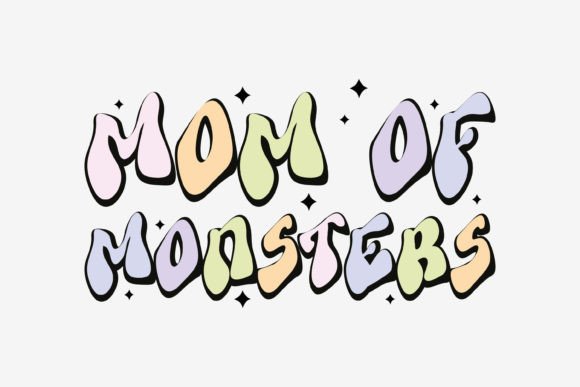
The design carries a bold, graphic style that feels lifted straight from a retro horror movie poster. The lettering is chunky, the shapes are well defined, and the overall composition centers on a sentiment that resonates with a large audience—mothers who appreciate dark humor and vintage aesthetics. The Mom of Monsters, Retro Halloween Svg name tells you exactly what you are getting: a piece that celebrates the beautiful mess of raising little humans while nodding to classic Halloween iconography. It is confident. It is a statement piece. And it avoids being overly cutesy, which makes it appeal to a slightly older or more design-aware customer.
Because this design comes as an EPS and SVG file at 300 dpi, it is ready for both digital mockups and print applications. For those of us working in embroidery, the vector format is a gift. It means we can scale the design cleanly, adjust individual elements, and isolate parts of the artwork for thread color mapping. The fact that it is described as 100 percent color changeable and easy to recolor tells me the original artwork was built with clean paths and separated layers. That matters when you are converting a graphic into an embroidery file. Messy vectors create messy stitch files.
This design naturally belongs on products like sweatshirts, tote bags, and throw pillows. It also works well on caps and aprons, though you will want to test the scaling for curved surfaces. The retro theme fits fall markets, Halloween pop-ups, and year-round sales for customers who lean into alternative or vintage style. I can picture this embroidered on a heavy cotton sweatshirt in burnt orange thread against a dark charcoal fabric, or as a patch on a canvas tote bag alongside smaller monster motifs. It has strong gift potential for new mothers or moms of young children who appreciate humor over sentimentality.
Real Project Performance in Embroidery
I tested Mom of Monsters, Retro Halloween Svg on a medium-weight cotton sweatshirt, using a commercial embroidery machine with a 5x7 hoop. Because the design was originally created as a print graphic, I took the SVG file into my digitizing software to assign stitch types, adjust density, and set pull compensation. The bold letter shapes and solid graphic areas translated well to satin and fill stitches. The outline strokes became clean running stitches, and the interior spaces handled fill stitching without excessive density.
One of the first things I noticed was that the design maintains visual impact even at moderate sizes. You do not need a giant hoop to make it read clearly. At around 5 inches wide, the lettering remained legible and the monster stylings held their shape. For a tote bag project or a cap, scaling down to 3.5 inches still worked, though I recommend keeping the design above 3 inches for any detailed corners. Below that, the retro flourishes and any fine monster features start to lose definition. If you are planning to stitch this onto a baby onesie or a small kitchen towel, test a scaled version on scrap fabric first to confirm the details hold.
On dark fabric, the design performs well if you choose high-contrast thread colors. A bright pumpkin orange, lime green, or even a metallic gold thread makes the retro feel pop. On light fabrics, you have more freedom. The design also works in a single color, which is a strong advantage for embroiderers who offer quick turnaround or limited thread palettes. Because the source file is an EPS or SVG with 300 dpi resolution, you can easily create a single-color version without losing the integrity of the artwork. That is a practical win for small shops keeping inventory lean.
I did notice that the more detailed monster elements—small teeth, eyes, or decorative corners—require careful attention during digitizing. If your digitizing software defaults to high density for small shapes, you risk puckering on lighter fabrics or thread breaks on denser materials. I recommend using a medium-density fill stitch for the main shapes and a narrow satin stitch for any outlines. A tear-away stabilizer works well for woven fabrics, while a cut-away stabilizer is better for knits or stretchy materials. Test a sample before stitching the final product, especially if you plan to sell these items.
Where to Use This Design Carefully
Mom of Monsters, Retro Halloween Svg is a strong design, but it is not a one-size-fits-all file. I would be cautious using it on very thin or delicate fabrics like lightweight tees or silk blends unless you back it with a firm stabilizer and reduce stitch density. The bold shapes can pull on flimsy material, causing distortion. For baby clothing, I recommend scaling down and using a lightweight stabilizer, and I would avoid placing the design on areas that will be stretched during dressing.
On caps, the design works best if it is centered on the front panels rather than curved around the side. The retro lettering is wide, and trying to wrap it around a cap curve can distort the shapes. I would keep it to the front two panels at most. For aprons and tote bags, the design is practically ideal. Those products have enough structure to support medium-density embroidery without warping. Pillow covers and throw blankets also work well, especially if you are stitching onto a medium-weight cotton or linen blend.
If you are producing items for frequent washing—kitchen towels, baby blankets, or everyday apparel—make sure you use a high-quality thread and a stable backing. The design has solid fill areas that can shrink or pucker over time if the stabilizer is not suited to the fabric. I recommend a cut-away stabilizer for any garment that will be washed regularly. Tear-away works for decor items that see less handling. Always factor in the end use of the product when choosing your materials.
Visual Appeal, Customer Trust, and Business Fit
From a business perspective, this design hits a specific but loyal market. Moms who identify with the monster metaphor tend to share that identity proudly, and they look for products that reflect it. Mom of Monsters, Retro Halloween Svg speaks directly to them. It is not a generic Halloween design. It is a personality piece. That kind of specificity builds customer trust because the buyer feels seen. They are not just buying a holiday item—they are buying something that says something about their life.
For Etsy sellers and craft business owners, this design works well as a standalone product or as part of a themed collection. You could offer it on a sweatshirt, a tote bag, and a matching coffee mug using sublimation or HTV for the mug. The vector file included with EPS and SVG format at 300 dpi allows you to produce both embroidered goods and printed items from the same artwork. That saves time and keeps your product line visually consistent. It also means you can create printable mockups for listing photos without stitching every sample first.
The retro aesthetic also gives the design a longer seasonal window. While it fits perfectly into Halloween marketing, many customers will wear or carry it through the entire fall. Some will use it year-round because the monster theme transcends holidays when paired with the right colors. If you offer custom color options to your buyers, you can extend the life of the design even further. Because the file is easy to recolor, you can produce samples in multiple palettes without re-digitizing from scratch.
For handmade product presentation, this design elevates the perceived value of your work. It looks custom. It looks intentional. A customer who receives a tote bag or sweatshirt with this embroidery will likely feel that the item was made for them, not mass-produced. That emotional response drives repeat business and word-of-mouth referrals. If you are building a brand around vintage or alternative aesthetics, this design fits naturally into your catalog.
Practical Embroidery Designer Notes
Before you commit this design to a production run, I recommend a few steps. First, test it on scrap fabric that matches your final product material. Stitch it out in your chosen thread colors and examine the results under good lighting. Look for gaps in fill stitching, uneven satin edges, or areas where the digitizing might need adjustment. If you are new to converting SVG files to embroidery files, run a simulation in your software to check for density issues or jump stitches that could slow down production.
Check thread color contrast against your fabric. The design has a bold retro look that benefits from high contrast. A dark design on a dark fabric loses the vintage feel. A light thread on a light background washes out the details. I recommend testing a black-and-white printed mockup of the design on your fabric color before digitizing. This is a quick way to see if the shapes will read clearly. Also compare it on light and dark backgrounds to decide which version you want to lead with in your shop listings.
Confirm your hoop size before digitizing. The design can be scaled, but extreme scaling changes stitch density and may require re-digitizing. If you are working with a small hoop, keep the design compact. If you have a larger hoop, you can take advantage of the retro layout and give it room to breathe. Document your settings for each product type so you can replicate results consistently.
Finally, review the licensing terms for Mom of Monsters, Retro Halloween Svg before selling finished items. The product description states it is ready for use on t-shirts, posters, mugs, and more, but confirm whether commercial use is allowed for embroidered goods. If you plan to sell the digital file itself or use it in a print-on-demand service, verify that your usage matches the license. This protects your business and your customers. When in doubt, contact the seller directly. A clear license is a sign of a professional design asset, and it gives you confidence to scale your production.
In my experience, designs that balance strong personality with practical adaptability are the ones that sell consistently. Mom of Monsters, Retro Halloween Svg has that balance. It is playful without being childish, retro without feeling dated, and bold enough to stand out in a crowded market. For embroidery designers, small business owners, and creative entrepreneurs looking for a design that connects with customers on a personal level, this one is worth adding to your active roster. Stitch it, test it, and put it in front of the right audience. It will do the rest of the work for you.