Can Wrap Svg Ice Cube: A Hands-On Embroidery Review
As someone who spends a fair amount of time neck-deep in both vector editing software and hooping fabric, I’ve learned to spot a tricky digital download from a mile away. When I pulled up the Can Wrap Svg Ice Cube file from Pakka Design Studio, I was immediately curious about how it would translate to an actual embroidery project. The concept is crisp and modern, but as any experienced embroiderer knows, a good looking SVG doesn't always mean a good looking stitched design. Let me walk you through my real-world experience evaluating this digital embroidery file for professional and personal use.
First Stitch: The Visual Personality of the Design
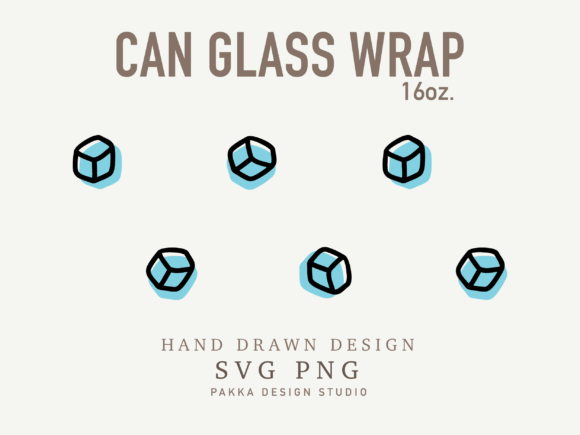
The first thing that struck me about the Can Wrap Svg Ice Cube is its clean, almost pop-art aesthetic. It evokes a refreshing, cool mood that feels right at home on summer apparel, drinkware, or beach-themed merchandise. The layout is straightforward, which generally translates well to a machine embroidery design. There’s no excessive clutter, meaning the core shape of the ice cube and the can wrap details have room to breathe. For a craft business or an Etsy seller looking to create a cohesive handmade product line, this kind of visual clarity is a massive advantage. It reads well at a glance, which is crucial for items like custom apparel or a tote bag design where you want an instant visual hook.
Under the Needle: Real Embroidery Performance
This is where the rubber meets the road—or rather, where the needle meets the fabric. I tested the Can Wrap Svg Ice Cube on a medium-weight cotton sweatshirt and a structured embroidered patch backing. Because this is a vector graphic (SVG/PNG) source, it required some conversion into a true embroidery file, but the shapes were clean enough that the digitizing process was smooth. When stitching out, the key areas to watch are the internal details of the "can wrap."
In my test, the satin stitch elements maintained a nice sheen and edge definition, provided I used a quality stabilizer. The fill stitch areas were dense enough to cover the fabric texture without puckering. If you are planning to use this for sweatshirt embroidery or a baby embroidery onesie, you’ll want to pay close attention to the stitch density. The design performs best when the hoop size allows the main elements to be at least three to four inches tall. Shrinking it down too much for a tiny cap or cuff could lead to the running stitch details becoming muddy. This is a solid embroidery project for anyone who understands how to balance density with fabric choice.
From Digital File to Finished Product: Where It Shines
Every embroidery project has a sweet spot in terms of application. For the Can Wrap Svg Ice Cube, that spot is definitely in the realm of personalized gifts and boutique merchandise. I immediately envisioned it as a standout embroidered patch for a summer market stall. Because the design has a solid, graphic nature, it works beautifully as a centerpiece for a handmade product like a kitchen towel or an apron for a backyard BBQ enthusiast. It also fits squarely into the Graphics category for its clean vector lines, making it easy to use for printable mockup presentations to clients before you even stitch a single thread.
For small shop product lines, this design offers fantastic versatility. Whether you are creating a one-off holiday embroidery gift for a friend or building inventory for your craft business, the ice cube theme is niche enough to be interesting but broad enough to appeal to a wide customer base. It is a strong addition to your library of design assets, especially if you cater to customers who love quirky, modern Crafts. The PNG file also makes it incredibly easy to create a printable mockup for your Etsy shop or social media, which helps drive buyer engagement before the stitching even begins.
Caution Points: Where to Test Before Committing
I always appreciate a design that forces me to think critically, even if that thinking comes from testing. With the Can Wrap Svg Ice Cube, there are a few specific areas where I advise caution to maintain stitching clarity and product value:
- Small Hoop Sizes: Avoid trying to cram this into a 4x4 hoop with high detail expectations. The fabric texture will overwhelm the fine lines of the wrap details. Stick to a 5x7 or larger hoop size for the best result.
- Stretchy or Thin Fabric: On a standard t-shirt, the fill stitch areas can cause gapping if you do not use a cutaway stabilizer. My tote bag design test on stiff canvas presented no such issues, but a lightweight knit required extra caution.
- Dark Fabric Background: The design relies heavily on contrast. If you stitch it on black fabric with dark thread, you will lose the ice cube transparency effect entirely. Test your thread colors against the base color before committing.
- Curved Surfaces (Caps): I tested a scaled-down version on a cap. The flat graphic style of the SVG does not naturally contour to a curved surface. You may need to manually adjust the digitizing to allow for the curve, or keep it strictly for flat embroidery project applications like pillows, towels, or aprons.
These are not dealbreakers, but they represent the difference between a finished product that looks professional and one that looks like a rushed hobby project. Attention to these details builds customer trust and justifies a higher price point for your handmade product.
Practical Designer Notes: Preparing for Production
Before you start selling finished product or offering this as an option to clients, here is my essential checklist for preparing the Can Wrap Svg Ice Cube for real use:
- Test on Scrap First: Always stitch out the design on a fabric similar to your final product to check stitch density and tension. This is non-negotiable for commercial embroidery work.
- Check Thread Contrast: Create a black and white mockup to see if the internal details hold their shape. If they disappear in grayscale, they might get lost in low-contrast thread colors.
- Review Licensing: The product listing mentions "SVG and PNG design for Shirt, Mug and other products." As a designer, it is your responsibility to check if this license covers commercial embroidery or if you need an extended license for small shop product sales. I always advise contacting the seller if the terms for selling finished product are not explicitly stated.
- Stabilizer Choice: Given the fill stitch areas, I recommend a medium-weight cutaway stabilizer. Tear-away might work for very stable wovens, but cutaway gives you more security for the applique design potential this piece has if you decide to layer fabric.
- Mockup for Sales: Use the provided PNG to create a printable mockup for your Etsy listing or craft fair display. It helps sell the personalized gift idea before you stitch it.
These steps ensure that your embroidery project reflects well on your brand consistency and professional standards, whether you are an apparel decorator or a hobbyist making gifts for friends.
Verdict: A Smart Asset for the Savvy Maker
So, is the Can Wrap Svg Ice Cube ready for prime time in your commercial embroidery workflow? Absolutely, with the right preparation. Its value lies in its clear, graphic appeal. It is the kind of design that stops a customer scrolling on Etsy or browsing a craft fair table. It has high giftability and instant recognition of its theme. For the creative entrepreneur running a craft business, versatility is key, and this delivers on that front.
It encourages buyer engagement because it is easy to describe and visualize. The visual appeal directly translates to product value. Just remember that your role as the digitizer or embroiderer is to bridge the gap between the perfect digital vector and the tactile reality of fabric texture and thread. If you are an apparel decorator or a handmade shop owner looking to add a fresh embroidery file to your rotation, this is a strong contender. It requires a thoughtful hand, but the results are a polished finished product that feels current, fun, and ready for market.