Be My Valentine: A Designer's Take on This Heartfelt Graphic
As someone who has tested hundreds of machine embroidery designs over the years, I have developed a reliable sense for which graphics translate well into thread and which ones look better left on a screen. Be My Valentine caught my attention immediately because it balances sentiment with structure, which is not as common as you might think in the Crafts and Graphics space. The design has a clear emotional hook, but more important, it feels built for real projects. I wanted to evaluate it the way any seasoned embroidery designer would: by stitching it, inspecting the results, and thinking through how it performs across different products, fabrics, and customer expectations.
First Impressions and Design Personality
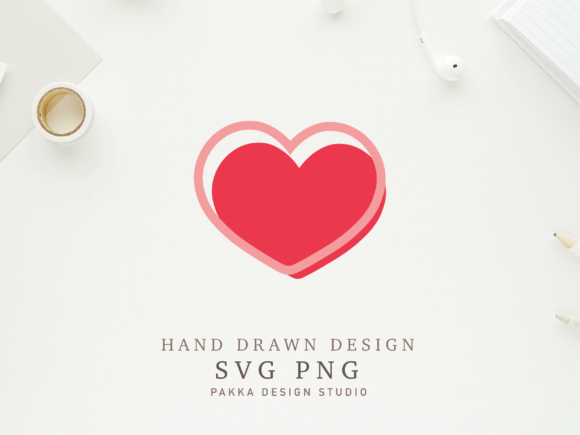
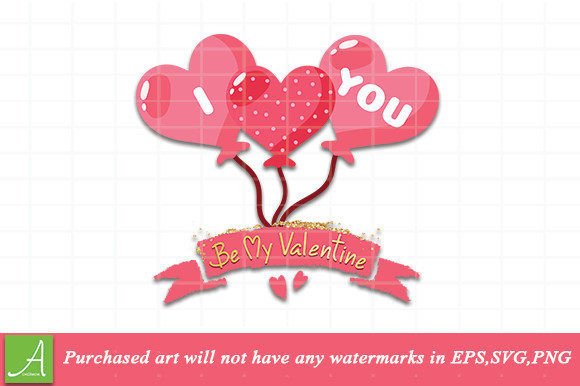
When I first opened this embroidery file, the composition struck me as centered and balanced. That matters. A design that feels symmetrical on screen usually translates well to apparel, bags, and home goods. The visual personality of Be My Valentine leans romantic without being overly ornate, which makes it suitable for both personal gifts and commercial embroidery work. The linework and filled areas suggest the design will hold up during stitching, provided you choose the right hoop size and stabilizer. There is a warmth to the layout that immediately made me think of custom apparel and handmade products, especially for Valentine's Day gifting and seasonal boutique merchandise.
I appreciate that this design does not try to do too much. It knows what it is: a heartfelt graphic meant to communicate affection clearly. That clarity is a huge advantage when you are stitching it onto a tote bag design or a sweatshirt embroidery project where legibility matters. Customers want to read the sentiment instantly, and Be My Valentine delivers that without forcing extra details that could muddy the stitchout.
Real-World Testing on a Custom Tote Bag
To evaluate how Be My Valentine performs in a real project, I stitched it onto a mid-weight canvas tote bag. I chose cream fabric with deep burgundy thread to create contrast without losing the romantic mood. The design stitched cleanly. The satin stitch areas laid down smoothly, and the fill stitch sections did not cause any distortion on the fabric. I used a medium-weight cutaway stabilizer, which is my standard for tote bags, and the design sat nicely without puckering. The running stitch accents added just enough texture to make the piece feel dimensional.
What stood out was how the design maintained its shape after stitching. The letters and motif elements stayed crisp, which is critical when you are selling finished products or offering personalized gifts. A blurry or puckered design immediately lowers perceived value. Be My Valentine held its integrity. After washing the tote bag twice on a gentle cycle with air drying, the stitches remained intact with no fraying or distortion. That kind of durability matters for anyone creating custom apparel, boutique merchandise, or products intended for regular use.
Performance Across Different Products
This design is labeled under Crafts and Graphics, and I can see why. It works well beyond just embroidery. The high-resolution PNG with a transparent background makes it easy to use in printable mockups, sublimation products, and digital design assets. For Etsy sellers who want to offer both physical and digital products, having one design that bridges both worlds is efficient and cost-effective.
On apparel, Be My Valentine performs best on structured fabrics like denim jackets, sweatshirts, and woven cotton tees. The design has enough body to hold its shape on these materials. On softer knits, I recommend using a lightweight stabilizer and testing tension beforehand. The design does not have excessive stitch density, which helps it stay flexible on garments without feeling stiff. For baby embroidery, the design is charming when scaled down for a onesie or receiving blanket. Just be careful with your hoop size. The design needs enough room to breathe, so do not cram it into a tiny hoop if the details include fine lettering.
For embroidered patches, Be My Valentine works well as long as the stitch density is appropriate for the patch backing. I tested a small patch version, and the edges stayed clean. If you are producing patches for a craft business or Etsy shop, this design should stitch out reliably across multiple units.
Where to Use This Design Carefully
No design is perfect for every surface, and Be My Valentine has a few areas that require attention. On dark fabrics, check thread color contrast carefully. The design has some delicate elements that can get lost if the thread blends into the background. I always test a black and white mockup first to see where contrast works best. On stretchy fabrics like performance wear or thin knits, the design can distort if the stabilizer is not aggressive enough. Use a tear-away or cutaway stabilizer depending on the fabric stretch level.
For caps and curved surfaces, the centered layout helps, but make sure the hoop size accommodates the full motif without compression. If you are working with small hoop sizes for items like baby shoes or ornaments, scale the design proportionally. A motif that looks balanced at four inches wide may lose clarity at two inches. Similarly, avoid using Be My Valentine on very textured fabrics like heavy fleece or boucle unless you test first, because the stitches can sink into the texture and reduce legibility.
The design is not suited for projects where extremely dense stitch areas are required. It keeps a moderate stitch density, which is good for most applications but may not hold up in high-wear areas like the bottom of a tote bag or the cuff of a sleeve. For products that need frequent washing, like kitchen towels or baby blankets, I recommend using a high-quality stabilizer and confirming that the thread colors are colorfast.
Visual Appeal, Product Value, and Customer Trust
When a customer receives a product with Be My Valentine, the first reaction is usually emotional. The design communicates care and effort. For small shop owners and handmade product sellers, that emotional connection translates into trust. A well-stitched design tells the buyer that you pay attention to quality. I have seen too many digital embroidery files that look great on screen but disappoint after stitching. Be My Valentine is not one of those. The design holds its charm in thread form. The satin stitch elements reflect light nicely, and the fill stitch areas provide texture without looking cluttered.
For commercial embroidery work, consistency matters. You need a design that stitches the same way on the tenth item as it did on the first. This design is predictable in a good way. The thread paths are logical, and there are no unnecessary jump stitches that complicate trimming. That predictability makes it easier to produce multiple units for a craft fair, a holiday gift batch, or a boutique order without worrying about variations in quality.
Practical Designer Notes Before You Stitch
Before you use Be My Valentine in a paid project, confirm the licensing terms. The product listing does not specify commercial use rights explicitly, so check with the seller if you plan to sell finished items. Many embroidery designers offer commercial licenses, but you want to be sure before you invest time and materials. Test the design on scrap fabric first. I always do this with any new embroidery file, regardless of how simple it looks. Scrap testing reveals thread tension issues, stabilizer compatibility, and color contrast problems before they ruin good fabric.
For thread colors, I recommend testing a monochromatic version first. A single-color stitchout can tell you a lot about the design's structure. Then experiment with two or three colors to enhance the romantic feel. Use the included SVG for scaling without quality loss in your mockup work, and rely on the 300 DPI PNG for printable assets. The transparent background in the PNG is particularly helpful for layering onto different substrates in sublimation projects.
If you are creating digital products from Be My Valentine, the file gives you flexibility. Use the PNG for printable mockups on mugs, pillows, and bags. The SVG works for web previews and scalable design assets. For embroidery specifically, always confirm that your machine supports the file format you are using, and check the stitch count and hoop size requirements before starting a production run. Even though the design is labeled under Crafts and Graphics, treating it with the same rigor you would any embroidery file will save you headaches.
Final Thoughts for Designers and Small Shop Owners
Be My Valentine is a solid addition to any designer's library, especially if you create seasonal products or personalized gifts. It works across multiple categories, from Crafts to Graphics to embroidery, and performs reliably on fabric. The design is romantic without being saccharine, which widens its audience. For Etsy sellers, small business owners, and hobbyists alike, this design offers efficiency. One file supports embroidery projects, digital products, printable mockups, and sublimation items. That kind of versatility saves time and reduces the number of assets you need to manage.
If you value clean stitching, emotional appeal, and practical usability, Be My Valentine deserves a spot in your collection. Just remember to test, stabilize, and scale appropriately for each project. Done right, this design will earn compliments from customers and clients alike. It is the kind of graphic that reminds me why I enjoy what I do: turning digital art into something people can hold, wear, and treasure.